Risks from Collecting and Storing Information
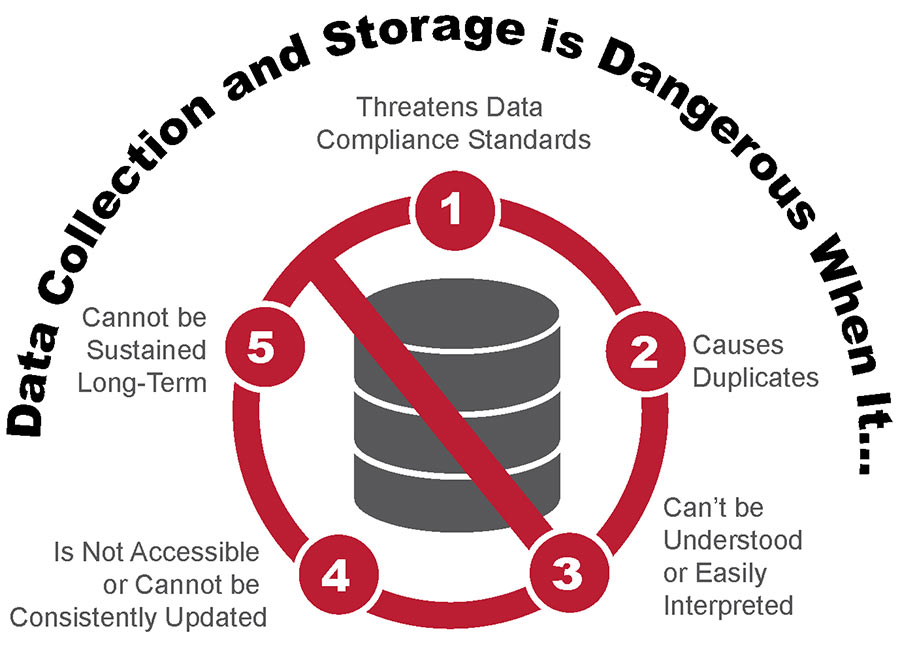
Some risks associated with collecting and storing information include cyberattacks such as data breaches, hacking, and identity theft or fraud. When large amounts of personal data are stored by companies or organizations, they can become targets for attackers who try to access sensitive information without permission. For example, the 2017 Equifax breach compromised the personal data of over 140 million people, including names, Social Security numbers, birth dates, and addresses. Incidents like this can have serious consequences because the exposed information can be used to steal identities, open fraudulent accounts, or cause long-term financial harm to individuals. In addition, once personal data is released online, it is often very difficult or impossible to fully remove it, which increases the long-term risk for affected users.
User data can also be sold to third parties, often without users fully understanding how their information is being shared or used. These third parties may use the data for malicious purposes, such as creating fake accounts under other people’s names, sending spam, or causing major financial loss through scams or fraud. In some cases, stolen or sold data can also be combined with other leaked information to build detailed profiles of individuals, making attacks more targeted and harder to detect. Such data can include a user’s name, email address, IP address, physical location, browsing history or driving data, and even sensitive health records. Because this information is so personal, its misuse can lead to privacy violations, identity theft, and long-term security risks for the affected individuals.
These risks are increased by a lack of transparency and user control over how personal data is collected, stored, and shared. Many people are unaware of what information is being collected about them, how long it is stored, or which third parties may have access to it. Because of this, users often do not fully understand the potential risks or how to properly protect themselves online. In many cases, privacy settings can be confusing or difficult to find, which makes it even harder for individuals to take control of their own data. Education and awareness about digital safety, privacy settings, and responsible online behavior can help reduce these risks and empower users to make more informed decisions about their personal information.
For example, 2023 insider leaks at Amazon and Samsung had lasting consequences on those effected
Sources used: Harvard Online shrm.org